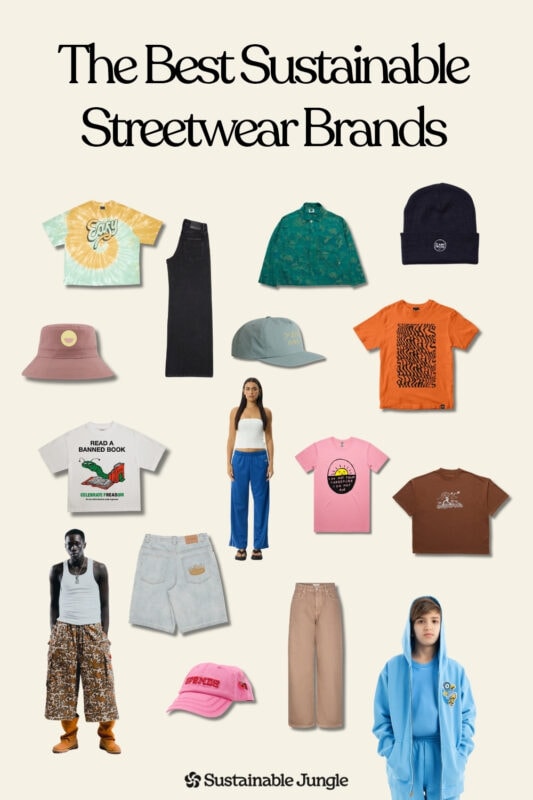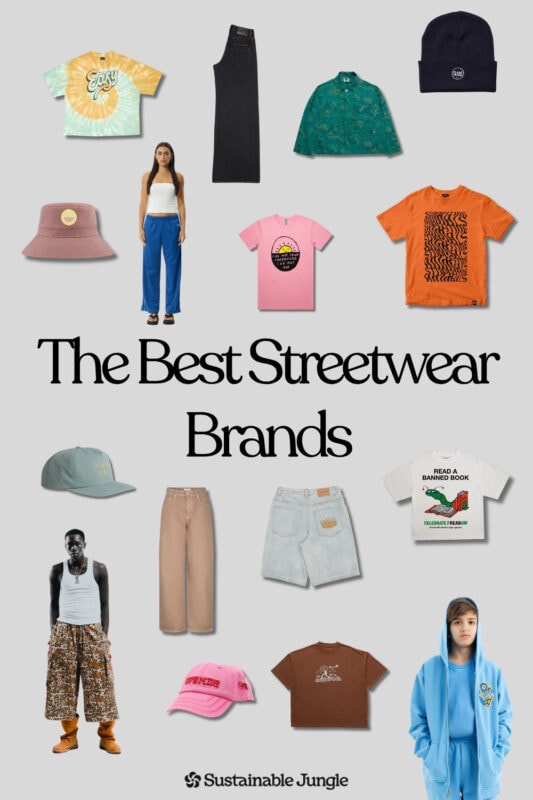













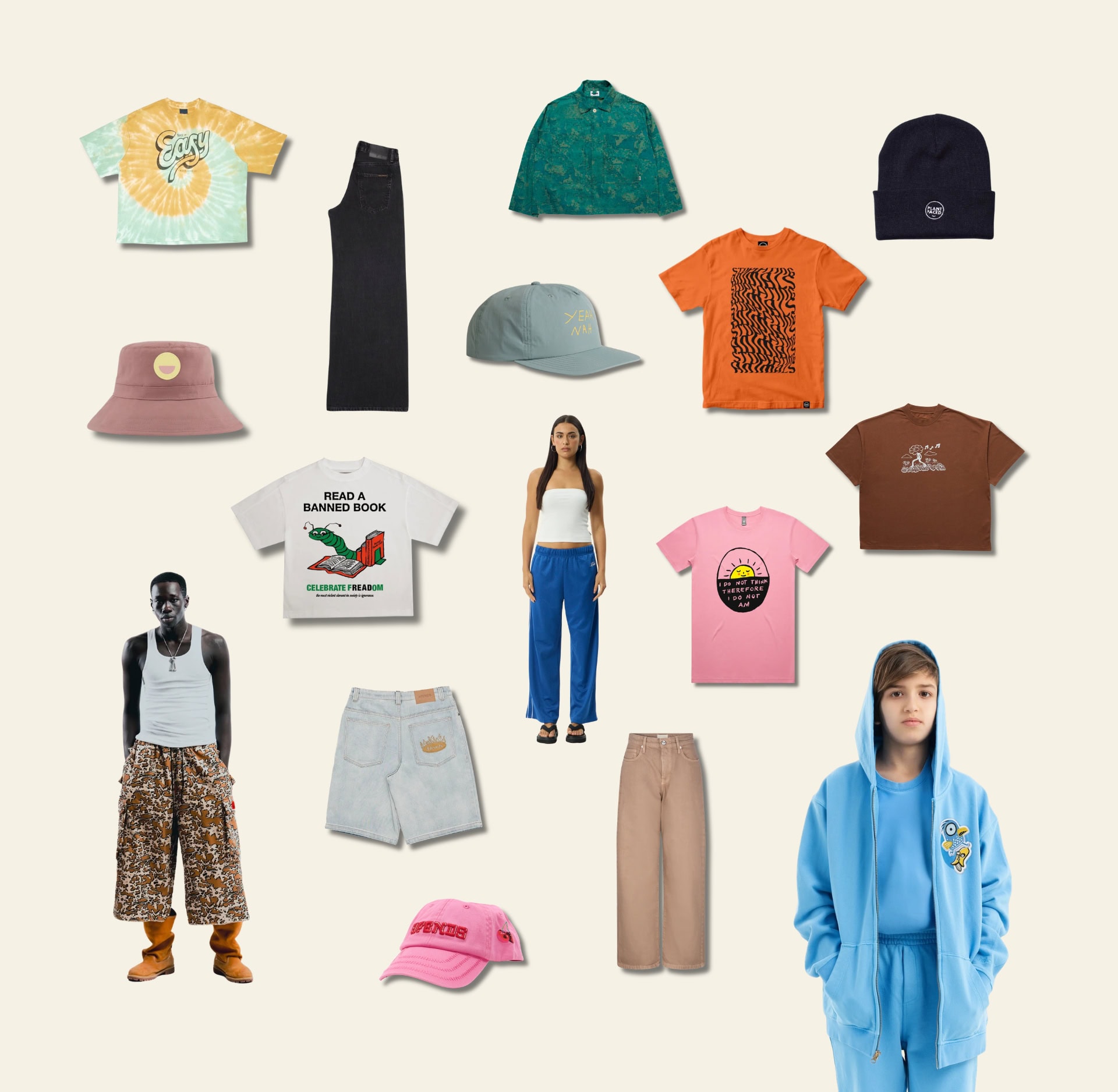
What was once an underground style has now become a mainstream staple, and fast fashion companies have co-opted the trend to mass-produce low-quality streetwear that lack originality and sustainability.
Streetwear’s origins trace back to subcultures like the hip-hop scenes of New York and Japanese street fashion, and a new generation of eco-friendly streetwear brands (including those catering to Gen Z and youth streetwear) are returning to the roots of the movement. These are high-quality, timeless designs that are made responsibly.
So to support those who are taking to the streets to fight for a more fair and sustainable fashion industry, we’ve researched and reviewed our favorites that prioritize organic, responsible and recycled fabrics, ethical labor and green business practices.
What We Looked For
In putting together this guide to the best sustainable and ethical streetwear brands, we prioritized the following (as much as possible):
- Use of sustainable, organic and/or recycled fabrics (GOTS-certified organic cotton, recycled polyester, hemp, etc.)
- Ethical and transparent supply chains with fair labor practices
- Environmental commitments including low-waste production, carbon awareness and responsible packaging
- Streetwear-relevant product ranges: tees, hoodies, sweatshirts, joggers, denim, hats and accessories
- Options for men’s and women’s sustainable streetwear, plus kids and gender-neutral options
Our Testing, Ratings & Research
For brands we work with through our sustainability rating system, we evaluated their initiatives across 22 criteria including supply chain, labor practices, and environmental commitments. See other rated brands in our sustainable brand directory.
For brands we didn’t rate, we conducted careful research to bring you the best ethical streetwear brands available. And in some cases, we have tested the streetwear ranges ourselves. Amber, our Head of Content, also upcycles her own streetwear which is available for sale on Etsy (see the notable mentions section for “Always The Adventure”).
Related Guides: Sustainable Clothing Brands, Sustainable T-Shirts, Fast Fashion Alternatives, Gender Neutral Clothing, Sustainable Hoodies, sustainable jeans
We independently research all featured brands, and we ask them to confirm their claims. In many cases we personally review recommended products. This post contains affiliate links which means we may earn a commission if you buy something. We explain this further in our Terms of Use.
The Best Sustainable Streetwear Brands
Best Tested & Reviewed: Plant Faced | Vegan streetwear with GOTS organic cotton and recycled fabrics. London-based, Fair Wear certified.
Best for Kids (& rated by us): Hahaha | GOTS + OEKO-TEX certified organic cotton kids’ streetwear with interchangeable patch system. Made in LA.
Best Denim Streetwear: Nudie Jeans | Swedish B Corp offering free lifetime repairs. Organic and recycled cotton denim.
Best Social Impact: Outland Denim | Australian B Corp with a focus on social impact. Organic cotton denim and basics.
Best UK-Made: WAWWA | Manchester-based with in-house factory. Organic, fairtrade, vegan clothing.
Best for Activism: CHNGE | GOTS organic cotton streetwear made in a Fairtrade factory. Donates ~50% of profits.
Best Sustainable Graphic Tees: Lonely Kids Club | Sydney-based, made-to-order graphic apparel with quirky, political and activist designs. Vegan, carbon neutral.
Best Surf-Skate Streetwear: Afends | Byron Bay brand using hemp, organic cotton and recycled materials. Great for men’s sustainable streetwear.
Here are our top picks for sustainable streetwear clothing brands, based on our research and, in some cases, personal testing and rating. Note all pricing is in USD and current at the time of writing.
Table of Contents: Best Ethcial Streetwear Brands
- Plant Faced Jump to brand
- Hahaha Jump to brand
- Outland Denim Jump to brand
- Wawwa Jump to brand
- Nudie Jeans Jump to brand
- CHNGE Jump to brand
- Lonely Kids Club Jump to brand
- Afends Jump to brand
- Additional Sustainable Streetwear Brands: Notable Mentions Jump to brand
Plant Faced
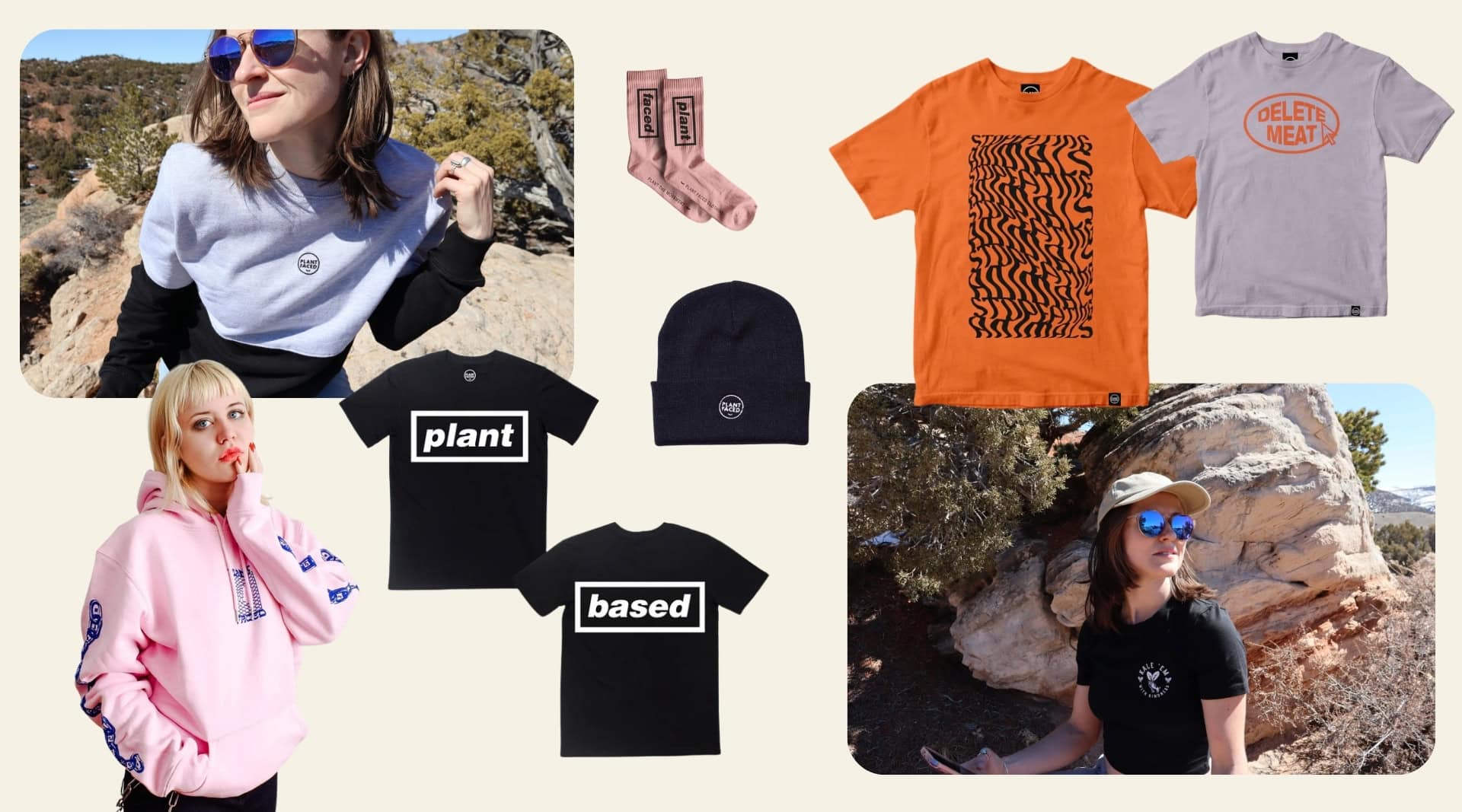
Plant Faced has not been rated.
Plant Faced Sustainable Streetwear
- Product range: Tees, hoodies, sweatshirts, sweatpants, shorts, socks, hats, beanies, and crop tops
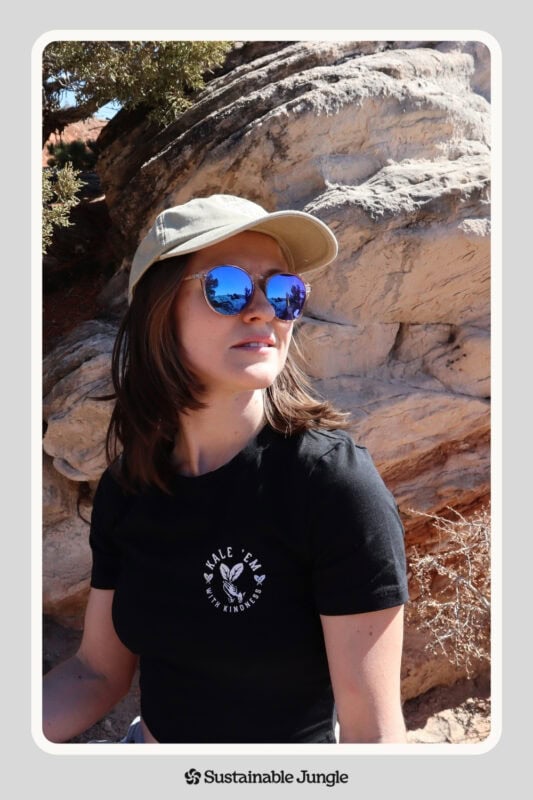
- Key designs: Slogan and graphic tees like “Delete Meat” and “Kale ’em With Kindness,” plus embroidered logo basics
- Key materials: GOTS-certified organic cotton and recycled polyester (rPET from recycled plastic bottles). Water-based, vegan inks for screen printing.
- Made in: Manufactured in Fair Wear or WRAP-certified facilities. Screen printed in London. Sewing location not fully disclosed.
- What makes it sustainable: Over 90% of the line uses sustainable fabrics. All garments carry GOTS or OEKO-TEX certifications. Recycled woven garment labels. Clothing is made in small batches and shipped in mailers made of 100% recycled paper and water-based inks.
- What we love: Non-binary-owned and operated. 100% vegan and cruelty-free, right down to the inks and dyes. A tree is planted for every item sold through a partnership with Eden Reforestation Projects. Donations to animal charities. True streetwear roots with a surf, skate and tattoo culture influence.
- Price: $13-$123
Performance Review of Plant Faced’s Streetwear
“I own the ‘Kale ’em With Kindness’ crop top as well as the Classics Crew Sweater, and first and foremost, I absolutely love how soft and cozy the organic cotton feels. After washing, it hasn’t lost any softness as cotton sometimes does. The designs themselves are well-constructed and seem super durable. As a hand embroidery artist, I can tell it’s well-made down to every stitch and seam, so I can see the crew sweater being my go-to cozy layer for years to come. I also love how the added stretch from the recycled fabrics in the crop top allows it to perfectly hug the body, providing both a flattering and snug fit.”
Review by Amber McDaniel, SJ’s Head of Content (tested over several months)
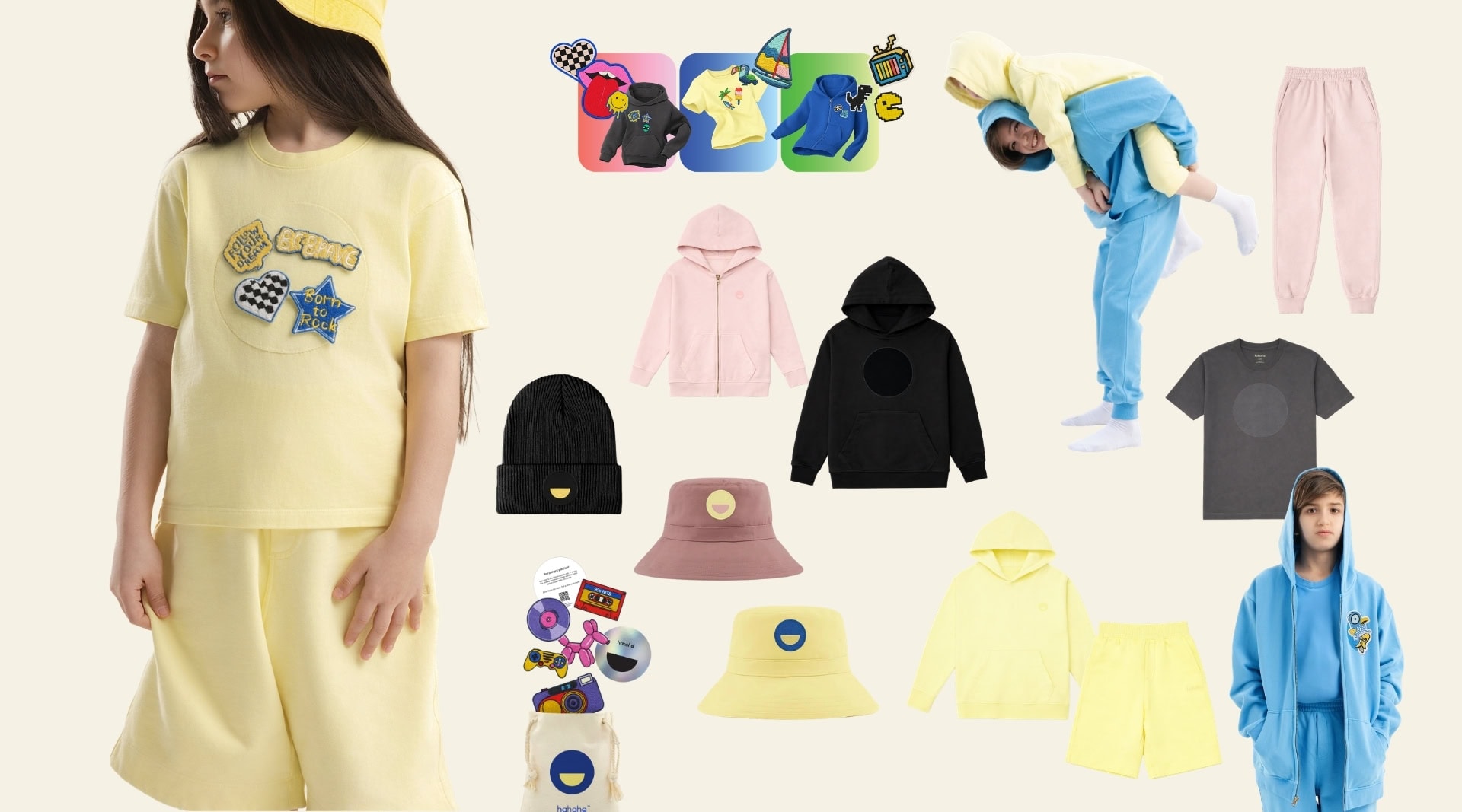
Hahaha

Ethical Sourcing
Raw materials have been sourced ethically with people and planet in mind.
Locally Made
Products are made local to the brand's headquarters.
Non-toxic
All products are made with ingredients or materials that are currently considered non-toxic
Organic
Products are made from organic materials.
Small business
This brand is a small business run by less than 15 people
Sustainable Materials or Ingredients
Either all or most products are made with sustainable materials or ingredients.
Thoughtful packaging
Product packaging has been designed and created with the end of life outcome in mind and can be easily recycled or composted.
Vegan
This brand does not use any animal products or by-products in their products
GOTS
OEKO-TEX®
GOTS
The GOTS (Global Organic Textile Standard) certification is the world’s leading standard for organic fibers. It covers every step of production, from harvesting raw fibers to environmentally and socially responsible manufacturing, and prohibits toxic dyes, GMOs, and harmful chemicals. GOTS also enforces fair labor practices.OEKO-TEX®
The OEKO-TEX® Standard 100 certification ensures that every component of a textile product (threads, buttons, zippers, and fabrics) has been independently tested for harmful substances. Managed by the International Association for Research and Testing in the Field of Textile and Leather Ecology, it guarantees products are safe for human health, meeting strict global limits for chemicals such as pesticides, heavy metals, formaldehyde, and PFAS.Hahaha Kids’ Streetwear
- Product range: Kids’ streetwear including hoodies, tees, and interchangeable embroidery patch collections
- Key feature: Hook-and-loop patch system that lets kids creatively restyle garments rather than replace them, extending garment life
- Key materials: 100% GOTS-certified organic cotton. Fabrics are also OEKO-TEX Standard 100 certified, independently tested against over 350 harmful substances and safe for children’s direct skin contact.
- Made in: Los Angeles, USA. All garments are cut and sewn by Euphoric Colors, an independent LA-based manufacturing partner, using USA-grown organic cotton that is locally processed.
- What makes it sustainable: GOTS certification covers the entire supply chain including dyes. Products are manufactured in small, planned production runs to minimize deadstock and overproduction. Packaging uses kraft paper-based materials that can be recycled or composted, with no plastic poly bags.
- What we love: Founded by Armenian-American entrepreneur Gev Balyan, the brand’s cultural heritage patch collections celebrate Native American, Mexican, Chinese, Indian, and Armenian communities. CPSC-compliant patches (minimum 4cm) for child safety. Sewn-in care labels encourage parents to pass items to another child when outgrown. A refreshing and creative take on sustainable kids’ streetwear.
- Price: ~$45-$122
Hahaha has been rated by Sustainable Jungle. See the full rating.
Outland Denim
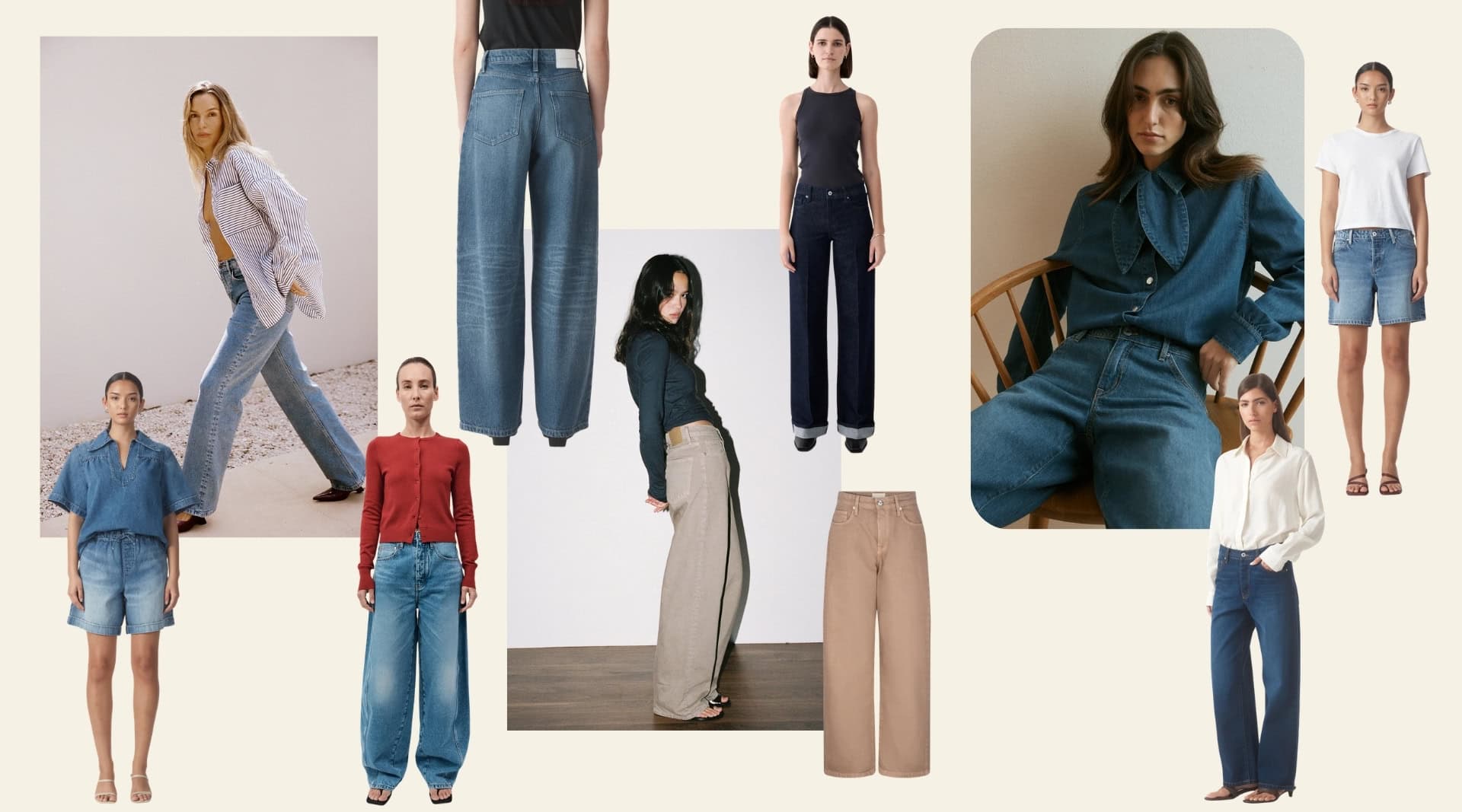
Outland Denim has not been rated.
Outland Denim Ethical Streetwear
- Product range: Denim jeans, jackets, tees, hoodies, skirts, dresses, and jumpsuits
- Key products: The Heritage Eddie Denim Jacket, organic cotton denim in timeless washes
- Key materials: 100% organic cotton or recycled denim, dyed with natural indigo dye from the Indigofera plant where possible. OEKO-TEX-certified jacron paper logo patches (leather-free).
- Made in: Various including Turkey, India, and Lithuania. All clearly disclosed on their website. Clear code of conduct in place and responsible sourcing practices.
- What makes it sustainable: The first Australian, and second globally, denim brand to become a Certified B Corp with one of the highest B Corp scores globally. Complete supply chain traceability published online. Low-impact production methods that use less water, energy, and chemicals. Biodegradable cassava bags replace plastic poly bags.
- What we love: Workers are trained over two to three years in every element of the jean-making process, earn living wages, and receive on-site healthcare and ongoing education.
- Price: $80-$390
Wawwa
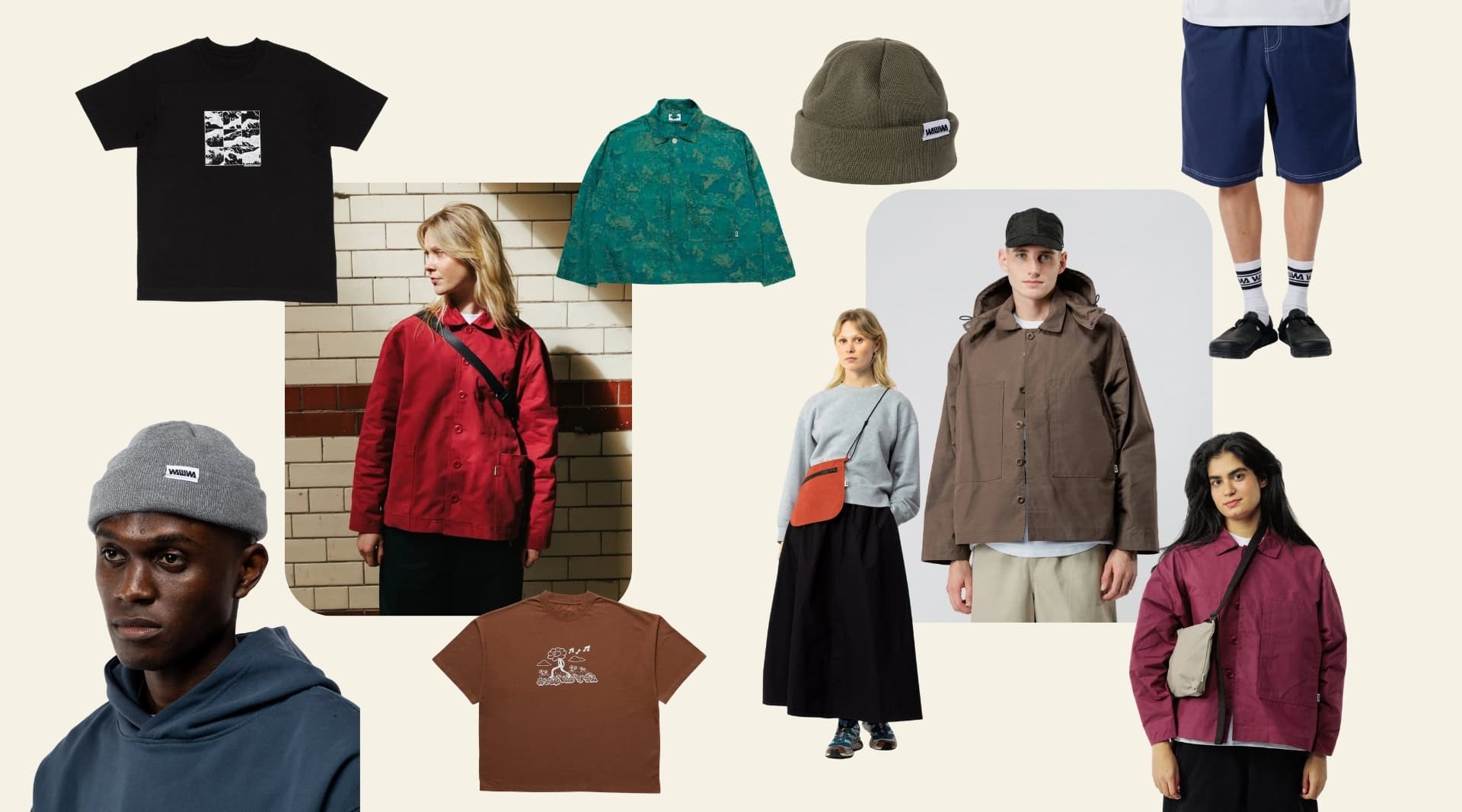
Wawwa has not been rated.
WAWWA Sustainable Streetwear
- Product range: Tees, sweatshirts, cargo pants, overshirts, skirts, bags, and accessories
- Key products: Cross-body bags, packing cubes, organic cotton tees, and the Worker’s Club collection (garments that come with embroidery thread and needle for personalization)
- Key materials: GOTS-certified organic cotton, recycled polyester (derived from recycled plastic bottles), and water-based inks.
- Made in: Manchester, UK (in-house factory) and partner factories described as family-run and Fair Trade. WAWWA state they visit their factories annually to ensure environmental and ethical standards are met.
- What makes it sustainable: 100% organic cotton tees since the brand’s inception. 100% vegan across the entire product range. Recycled materials used where possible, including recycled zips. Ethical Trading Policy published on their website commits to sustainable sourcing, minimizing environmental damage, and ensuring EU-standard labor practices across their supply chain.
- What we love: Co-founded by brothers Sean and Andrew in Manchester, they’ve built the brand from the ground up with sustainability baked in from day one. The in-house Manchester factory gives them direct control over production quality and working conditions.
- Price: ~$60-$400
Nudie Jeans
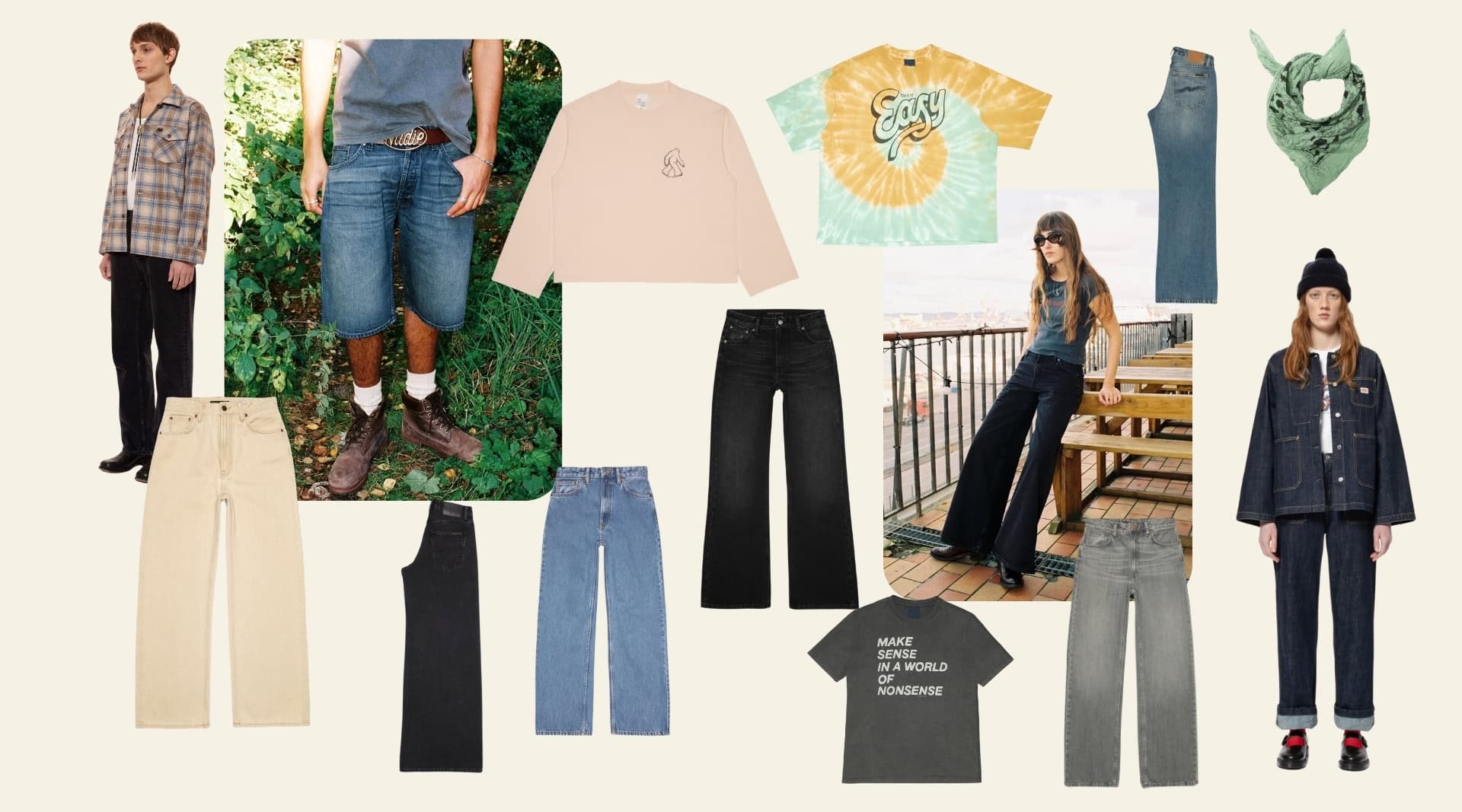
Nudie Jeans has not been rated.
Nudie Jeans Sustainable Streetwear
- Product range: Jeans, jackets, tees, shirts, sweatshirts, pants, shorts, and jumpsuits for men, women, and kids
- Key products: Clean Eileen (high-waisted, wide-leg), Classic denim in multiple fits, deadstock fabric pieces
- Key materials: GOTS-certified organic, Fair Rrade, or OCS 100-certified recycled cotton. Vegan Jacron paper brand tags. Fiber choices guided by Made By’s Environmental Benchmark and the Higg MSI.
- Made in: Manufactured in Tunisia, Turkey, and select other countries. Fabric mills in Turkey, Italy, and Japan. All regularly audited and all suppliers disclosed.
- What makes it sustainable: Free repairs for life on every pair (via repair kit or in-store). Return old jeans for 20% off a new pair, with old pairs repaired and resold through the Reuse collection. Complete supplier transparency with their Transparency Pledge. CO2 emissions mapped across the entire supply chain and commitment to reduce across scope 1, 2 and 3.
- What we love: A member of the Fair Wear Foundation, RISE and STICA. Their circularity model is one of the best in fashion: repair, reuse, recycle.
- Price: ~$45-$300
CHNGE
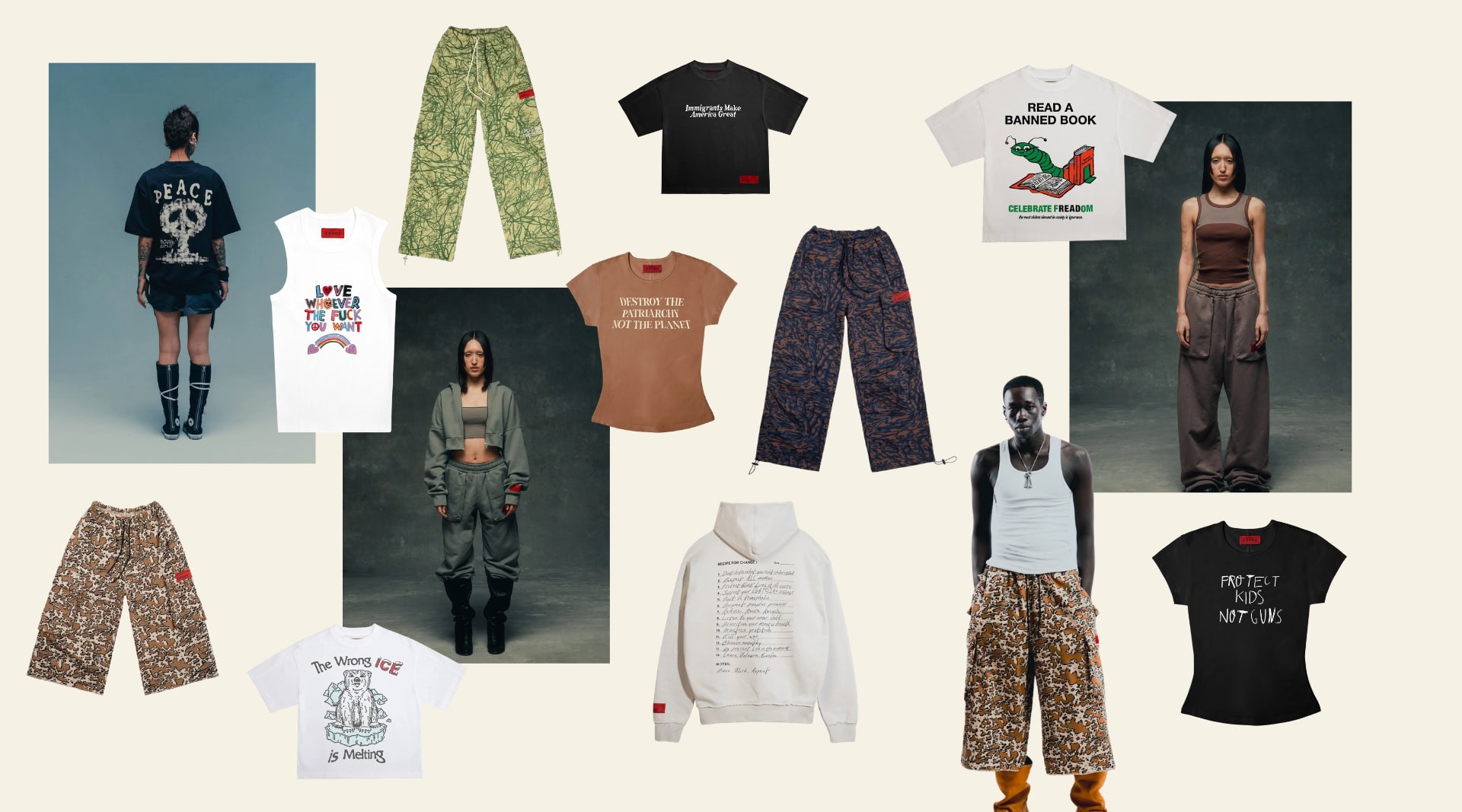
CHNGE has not been rated.
CHNGE Ethical Streetwear
- Product range: Graphic tees, hoodies, coaches jackets, joggers, tanks, and accessories
- Key products: Slogan tees with messages supporting social causes
- Key materials: 100% GOTS-certified organic cotton. All products are dyed using GOTS and OEKO-TEX Standard 100 certified dyes.
- Made in: Produced at a Fairtrade Factory. The factory uses 80% renewable energy and recycles 95% of the water used for dyeing.
- What makes it sustainable: Climate Neutral certified, offsetting CO2 across the supply chain and first 50 washes and dries. All packaging is made from 100% post-consumer recycled paper and printed with water-based inks.
- What we love: CHNGE donates approximately 50% of its net profits to numerous organizations (there’s a long list on their website). Beyond their sustainability credentials, they use their platform to amplify underrepresented voices and spark conversations about gender, sexuality, disability, and inclusivity.
- Price: ~$39-$150
Lonely Kids Club
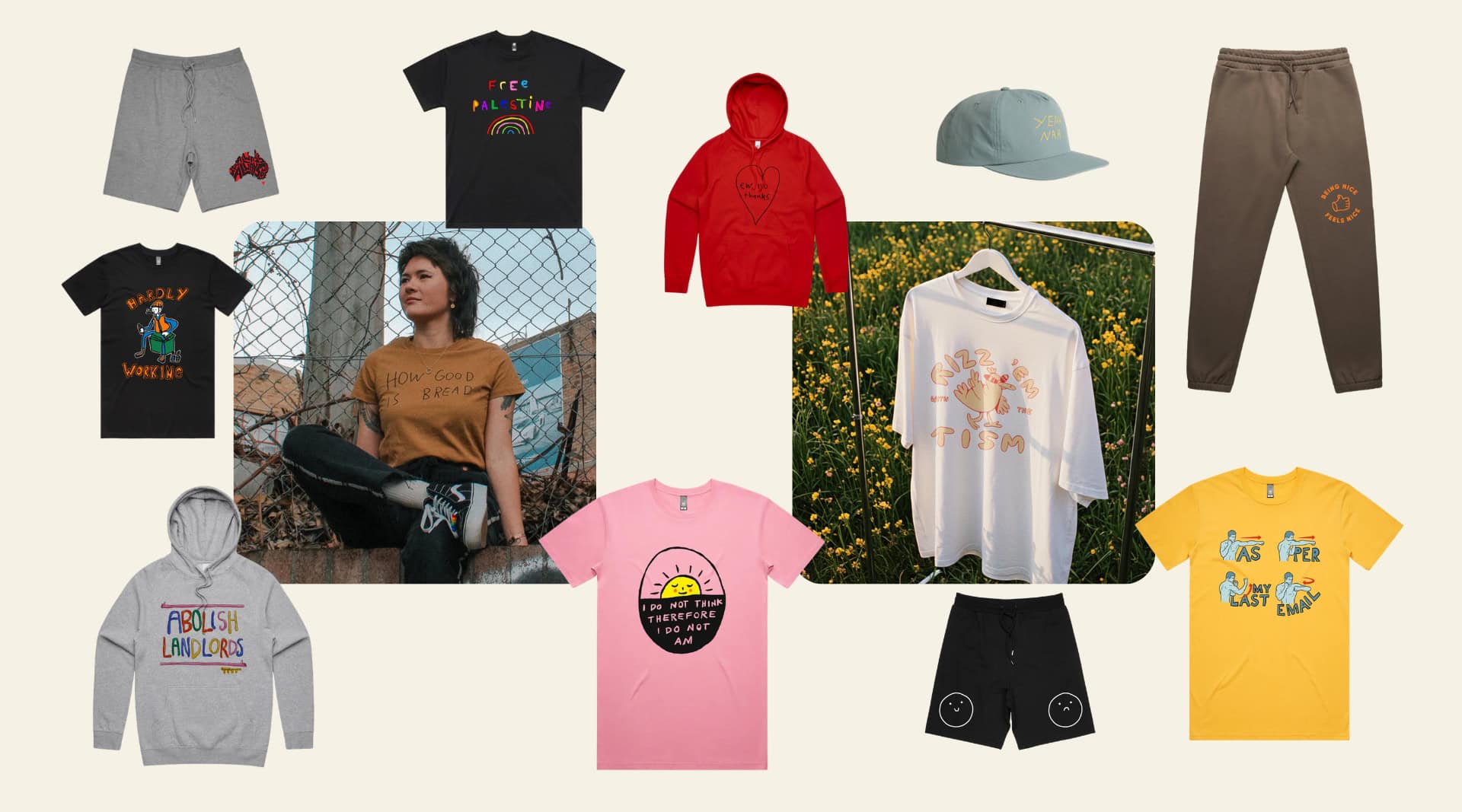
Lonely Kids Club has not been rated.
Lonely Kids Club Sustainable Graphic Streetwear
- Product range: Sustainable graphic tees, oversized tees, hoodies, jumpers, pants, shorts, leggings, caps, tote bags, socks, and kids’ apparel
- Key designs: Activist and political pieces like “Always Antifascist,” media critique (“Newscorpse”), plus quirky and humorous designs including “Badly Drawn Pet,” “Get In The Van,” “Little Wieners,” Australiana, and pop culture riffs
- Key materials: Blank garments sourced from AS Colour, which holds Amfori BSCI membership, sources through the Better Cotton Initiative, and carries OEKO-TEX Standard 100 certification. DTG (direct-to-garment) printing uses OEKO-TEX certified inks.
- Made in: AS Colour supply chain spans 32 garment factories with publicly disclosed supplier information and independent audits. All printing, finishing, packing, and dispatch happens in-house at Lonely Kids Club’s Sydney, Australia studio.
- What makes it sustainable: Made-to-order production model means items are printed when you order them, eliminating overproduction and deadstock. The studio runs on carbon neutral power, and all shipping is carbon neutral. Biodegradable satchels and recycled paper inserts.
- What we love: The brand has been making ethical clothing since 2011, well before sustainability became a marketing angle. They employ people with neurodivergence and other disabilities as part of their team. And the designs are funny, political, and fun – ideal activist streetwear!
- Price: ~$15-$75
Afends
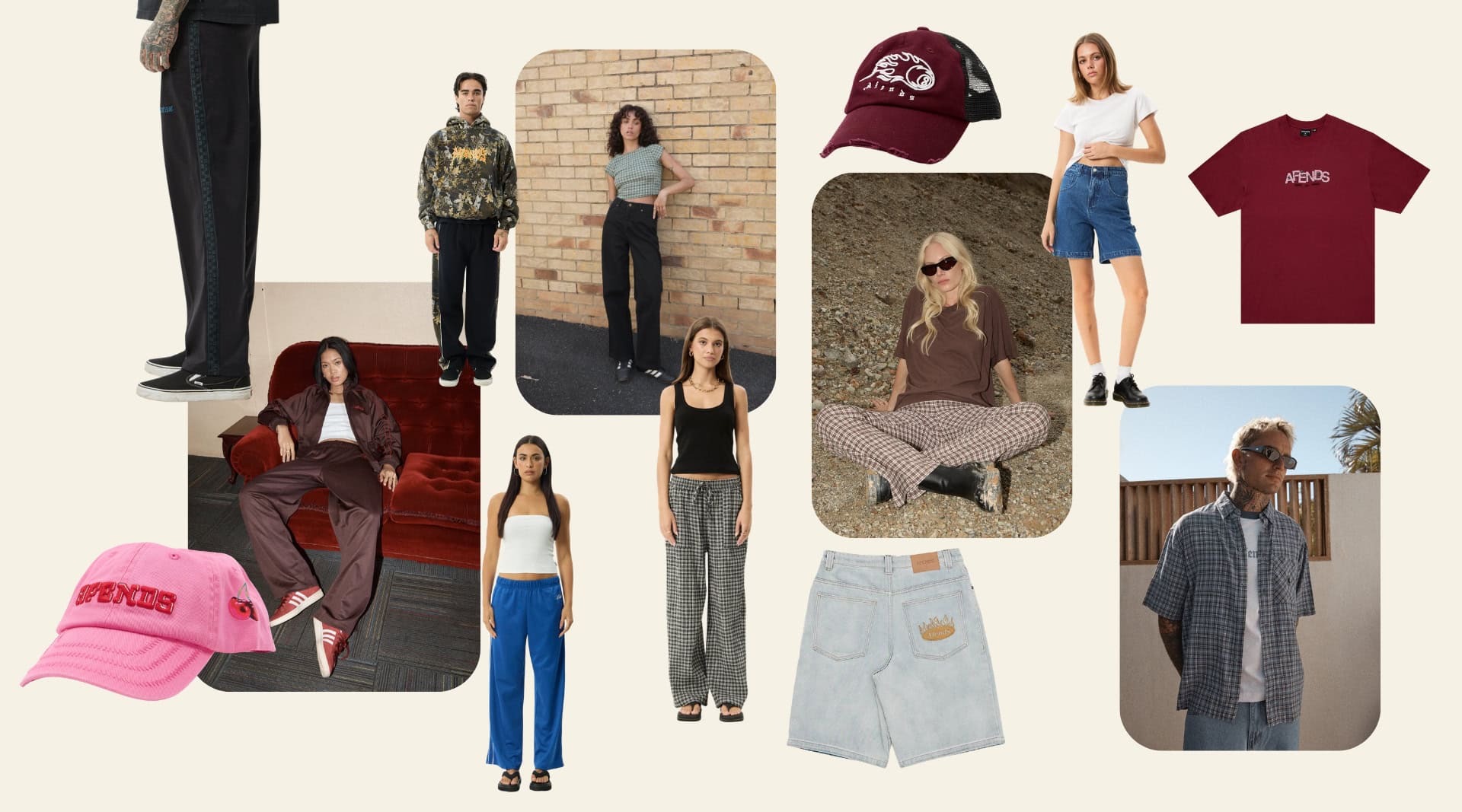
Afends has not been rated.
Afends Sustainable Streetwear
- Product range: Tees, shirts, hoodies, sweatshirts, carpenter pants, skirts, dresses, shorts, and accessories for men and women
- Key products: Hemp-blend basics, graphic tees
- Key materials: HIGG-preferred fabrics including hemp, organic cotton, TENCEL, and recycled polyester. Many pieces carry GOTS, OCS 100, or OCS Blended certifications.
- Made in: No longer disclosed
- What makes it sustainable: Afends outlines their values clearly on their website which includes clear consideration of the environment and people. Though there is no longer much detail on what this means.
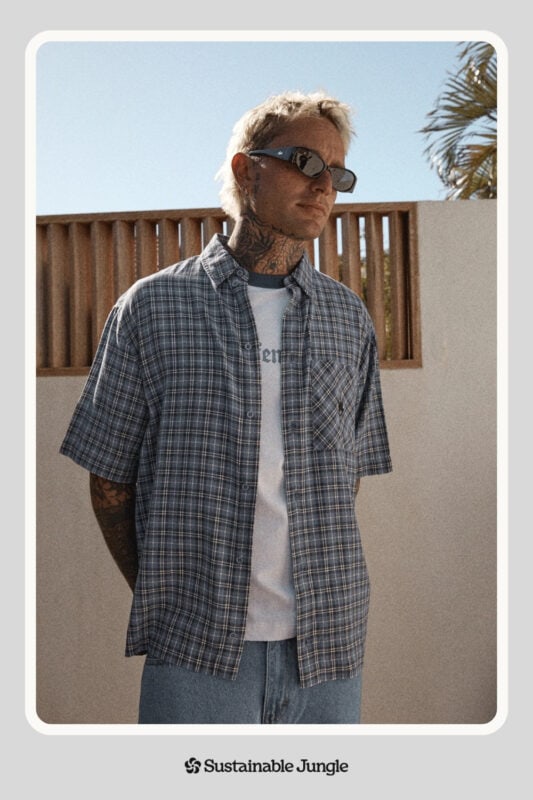
- What we love: Started as a print shop for punk and hardcore bands in Byron Bay, giving the brand genuine streetwear and counterculture DNA. Their move toward hemp as a core fabric sets them apart in the sustainable streetwear space. If you’re after brands similar to Afends, Nudie Jeans and WAWWA offer a comparable blend of casual style and ethical production.
- Price: $40-$200
Additional Sustainable Streetwear Brands: Notable Mentions
Noah
- What it is: A New York City-based brand founded by Brendon Babenzien after leaving his role as creative director at Supreme. Noah combines surf-skate culture with classic menswear for a streetwear aesthetic rooted in quality and responsibility.
- Why it’s sustainable: Responsibly sourced cotton, recycled cashmere, and linen. Manufacturing partners prioritize expertise and fair treatment over profit. 1% for the Planet member, donating 1% of all sales to environmental initiatives.
- What we love: Noah is refreshingly honest about sustainability, stating that they may not be fully sustainable but are committed to doing a bit more with each season. Their emphasis on timeless design over trend-chasing aligns well with slow fashion values.
- Price: ~$40-$1600
Kotn
- What it is: A Certified B Corp from Toronto making everyday basics from Egyptian cotton. Their tees, sweats, and loungewear have a clean, streetwear-adjacent aesthetic.
- Why it’s sustainable: Works directly with smallholder Egyptian cotton farmers, cutting out middlemen. OEKO-TEX certified non-toxic dyes. Full supply chain traceability. Has funded 21 schools in Egyptian farming communities.
- Price: ~$40-$250
Etsy Vintage Streetwear
The most sustainable streetwear you can buy is secondhand. Etsy offers an almost unlimited range of vintage streetwear, including graphic tees, windbreakers, sweatshirts, jeans, and bomber jackets. Start your search with sellers like Ghosted Vintage for vintage band tees and sportswear, or Always The Adventure for uniquely upcycled denim with cyanotype botanical prints.
How We Chose These Eco-friendly Streetwear Brands
Sustainable & Ethical Materials
We prioritized brands using responsible fabrics including GOTS-certified organic cotton, recycled polyester, hemp, TENCEL™ lyocell, and other low-impact materials.
Organic cotton is a favorite because conventional cotton farming relies heavily on synthetic pesticides and fertilizers, uses enormous amounts of water, and exposes farming communities to harmful chemicals.
Certifications like GOTS, OCS, and OEKO-TEX help verify that materials meet important environmental and safety standards.
Ethical Supply Chains & Labor Practices
Behind every hoodie and graphic t-shirt are the real people who made them. We looked for brands with transparent supply chains, published supplier lists, and credible third-party certifications (Fair Wear Foundation, WRAP, Fairtrade, B Corp, BSCI/SMETA audits).
Living wages, safe working conditions, and worker empowerment programs were key considerations.
Environmental Commitments
Beyond materials, we considered carbon tracking and comittments, renewable energy use in manufacturing, low-waste production methods (small batches, made-to-order), plastic-free or recyclable packaging, and circular programs like repair, resale, and recycling.
Streetwear Authenticity
Sustainable fashion can sometimes feel one-note. We specifically sought brands with genuine streetwear DNA, whether that’s roots in skate culture, hip-hop, punk, or urban design.
The brands on this list offer the sustainable graphic tees, oversized hoodies, cargo pants, and bold designs that define streetwear.
Value
We included options across a range of budgets, from CHNGE’s accessible tees (~$39) and Plant Faced’s affordable range to premium picks like Nudie Jeans and Outland Denim.
Testing & Ratings
We’ve personally tested, rated, researched, and spoken to the brands on this list. We offer sustainability assessments to brands and are delighted to feature one of our rated brands on this list (Hahaha).
The Problem with Conventional Streetwear
Streetwear’s rise from subculture to mainstream has come with significant environmental and social costs. Fast fashion brands have flooded the market with cheap imitations, producing millions of garments in factories where workers often face unsafe conditions and poverty wages.
Conventional streetwear relies heavily on materials like conventional cotton (grown with synthetic pesticides and enormous water use) and virgin polyester (made from petroleum, shedding microplastics with every wash).
The industry’s “drop culture” model, originally designed to create exclusivity through limited runs, has been co-opted by fast fashion into a cycle of constant overproduction and waste.
Choosing more sustainable streetwear brands is important because it supports supply chains that treat workers fairly, reduces the chemical burden on farming communities and ecosystems, and sends a signal that consumers do care.
How to Build a More Sustainable Streetwear Wardrobe
Start with what you have: The most sustainable garment is one you already own. Before buying new pieces, take stock of your current wardrobe and consider what gaps genuinely need filling.
Buy secondhand first: Vintage streetwear from platforms like Etsy, Depop, and local thrift shops offers unique, one-of-a-kind pieces with zero additional manufacturing impact. It’s also often more affordable.
Invest in quality over quantity: A well-made organic cotton hoodie that lasts five years is more sustainable (and often cheaper per wear) than replacing a fast fashion version every six months.
Check the labels: Certifications like GOTS, OEKO-TEX, Fair Trade, and B Corp provide a baseline of trust. They’re not perfect, but they indicate a brand has submitted to third-party verification of its claims.
Care for your clothes: Wash less frequently, use cold water, air dry when possible, and repair before replacing. Brands like Nudie Jeans offer free repair programs that can significantly extend the life of your streetwear.
For men’s sustainable streetwear: Most brands on our list carry men’s ranges, but Afends, WAWWA, Nudie Jeans, and Outland Denim are particularly strong options for men’s streetwear staples like cargo pants, denim, tees, and overshirts. CHNGE and Noah offer unisex fits that work well for men too. For more options, check our guide to sustainable men’s clothing.
For sustainable streetwear for women: Plant Faced, Afends, and Outland Demin all offer standout women’s pieces, from crop tops to upcycled denim.
For youth and kids: Hahaha is our top pick for kids’ sustainable streetwear, with GOTS and OEKO-TEX certified organic cotton that’s been tested for safety.
Frequently Asked Questions on Sustainable & Ethical Streetwear
What is sustainable streetwear?
Sustainable streetwear refers to casual, urban-inspired clothing (tees, hoodies, joggers, denim, sneakers, and accessories) that is made using environmentally responsible materials, ethical labor practices, and lower-impact manufacturing processes. The goal is to offer the same style, comfort, and self-expression that streetwear is known for, without the social and environmental harm of conventional fast fashion.
Is sustainable streetwear more expensive?
Not always. Brands like CHNGE offer tees from around $39, and Plant Faced has items starting at $13. While some sustainable pieces cost more upfront than their fast fashion equivalents, they tend to last significantly longer. Cost-per-wear is often comparable or lower over time. Secondhand streetwear is another budget-friendly option. Read more about sustainable products being more expensive.
What fabrics should I look for in sustainable streetwear?
Organic cotton (ideally GOTS-certified), recycled polyester (rPET), hemp, TENCEL (lyocell), and recycled cotton are among the most common responsible fabrics in sustainable streetwear. Organic cotton avoids synthetic pesticides, recycled polyester diverts plastic from landfill, and hemp requires minimal water and no pesticides to grow.
Are there sustainable streetwear brands for kids?
Yes. Hahaha makes GOTS-certified organic cotton kids’ streetwear in Los Angeles with an interchangeable patch system. Their fabrics are also OEKO-TEX Standard 100 certified, meaning they’ve been independently tested for harmful substances.
What certifications matter most for ethical streetwear?
GOTS (Global Organic Textile Standard) is the gold standard for organic fibers, covering the full supply chain from farm to finished garment. OEKO-TEX Standard 100 tests for harmful substances. Fair Wear Foundation and WRAP verify labor practices. B Corp certification assesses a company’s entire social and environmental impact. No single certification covers everything, so brands holding multiple certifications generally offer the strongest guarantees.
Can streetwear really be sustainable?
Streetwear’s “drop culture” and trend-driven nature can encourage overconsumption, which runs counter to sustainability. But the brands on this list are working to reconcile that tension through durable designs meant to outlast trends, circular programs (repair, resale, recycling), small-batch production, and responsible materials. Buying fewer, better pieces from brands that prioritize people and planet is a meaningful step, even if no brand is perfectly sustainable.
What are the best sustainable streetwear brands for men?
Afends, WAWWA, Nudie Jeans, and Outland Denim all carry strong men’s ranges with streetwear staples like cargo pants, organic denim, tees, hoodies, and overshirts. CHNGE, Lonely Kids Club and Noah offer unisex graphic tees and basics.
Is PacSun sustainable streetwear?
PacSun is widely considered a fast fashion brand. While they’ve introduced some sustainability-adjacent initiatives, they lack the transparency, certifications, and ethical supply chain practices that define genuinely sustainable streetwear. For a deeper look, see our PacSun sustainability breakdown. The brands on this list offer far stronger environmental and ethical credentials.
Are there edgy or grunge-inspired ethical streetwear brands?
Yes. Plant Faced brings punk and tattoo culture influence to their vegan streetwear. Afends has roots in punk and hardcore music scenes. Lonely Kids Club offers activist-leaning graphic tees and hoodies with a genuine sense of humor. And for truly unique secondhand finds with grunge energy, Etsy vintage sellers offer windbreakers, graphic tees, and band merch.
Final Thoughts on The Best Sustainable Streetwear Brands
Building an ethical streetwear wardrobe that reflects your values doesn’t mean sacrificing the streetwear vibe and aesthetic. On this list there are options for every taste and budget.
The best starting point depends on what you’re after. For organic cotton tees and hoodies with purpose, Plant Faced and CHNGE hit the spot. For graphic tees with humor and political edge, Lonely Kids Club is excellent. For sustainable men’s streetwear staples, Afends, WAWWA, and Nudie Jeans all offer strong men’s ranges. For denim that lasts (and can be repaired forever), Nudie Jeans and Outland Denim are leading the way. For kids, Hahaha is our top pick (and a rated brand!). And for UK-made quality with a social mission, WAWWA is an excellent choice.
Whatever you choose, opting for brands that use responsible materials, treat workers fairly, and think beyond the next season is a worthwhile shift for your wardrobe and for the industry.
Editor’s Note: Joy McConnochie has been researching sustainable fashion brands for 8+ years as part of Sustainable Jungle’s mission to help people make more informed, environmentally responsible choices. This article was originally published in May 2022 and has been updated several times since. This April 2026 update includes new brands and additional context about the importance of sustainability in streetwear.

Joy has been a passionate advocate for the environment since she was a small child. She grew up in South Africa and has been lucky enough to be exposed to the wonders of nature not just in Africa but all over the world. She founded Sustainable Jungle (together with her husband Lyall) back in 2017 after becoming enraged by the devastating impact of palm oil. She then founded the Sustainable Jungle Podcast and together with Lyall interviewed remarkable people from all over the world who were finding ways to create positive impact. Outside of Sustainable Jungle, Joy has always worked in the corporate world, starting out as an auditor and later moving into management consulting. More recently she specialized in Climate Investing for the Asia Pacific region. Given her experience, her current passion is Brand Ratings. She is very much enjoying going deeper on what it really means to drive sustainability performance and true impact through business operations.